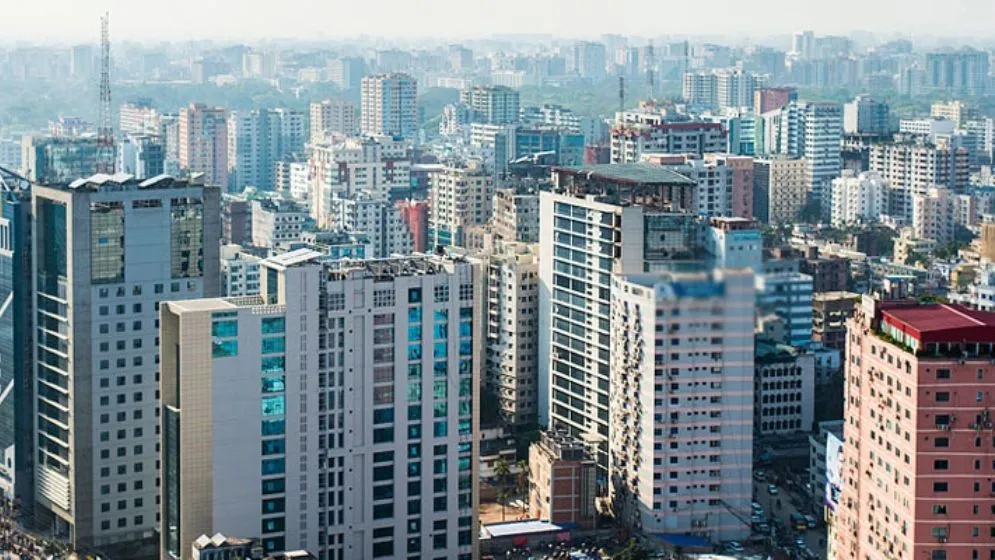
Sluggish flat sales in Bangladesh are putting pressure on construction materials, transport, banking, employment and household goods markets as high interest rates, rising construction costs, inflation and economic uncertainty weaken purchasing power.
Industry insiders say flat sales in Dhaka have slowed, with many prospective buyers postponing purchases because of affordability concerns. The slowdown is also prompting developers to exercise caution over new projects and investments, raising concerns about cash flow and construction activity.
The impact extends beyond real estate. Residential construction generates demand for steel rods, cement, bricks, sand, tiles, glass, aluminium, electrical fittings and sanitary products. Slower construction can therefore affect manufacturers, suppliers, retailers and transport operators.
The sector also employs large numbers of masons, electricians, plumbers, carpenters, painters, engineers and other professionals. Reduced construction activity could limit job opportunities and incomes, weakening household spending and demand for local businesses.
Higher borrowing costs are adding to the pressure. Rising mortgage repayments, coupled with inflation-driven living expenses, are making flat purchases increasingly difficult for middle-income families. Delayed sales can, in turn, constrain developers’ ability to finance construction and pay workers.
The slowdown may also affect furniture, electronics and household appliance businesses, as new homeowners typically spend on furnishing and equipping their flats.
Industry recovery may require coordinated measures, including affordable long-term housing loans, a review of taxes and registration costs, streamlined project approvals and a stable investment climate.
Reviving the housing sector could help restore activity across interconnected industries, supporting employment, investment and wider economic growth.