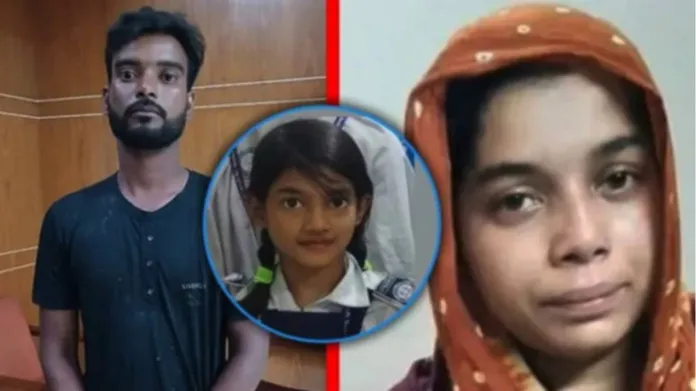
The Chief Justice has assigned the death reference and appeals in the widely discussed child Ramisa rape and murder case to a specialized High Court bench for a formal hearing. The matter has been placed at item number 22 on the cause list for next Sunday (August 16) before the High Court division bench comprising Justice Bhishmadev Chakrabortty and Justice K. M. Rasheduzzaman Raja.
Attorney General Ruhul Quddus Kazal informed the media that the formal hearing procedures for the child Ramisa murder case are expected to commence immediately following the conclusion of hearings in other sensitive cases, notably the Nusrat Jahan Rafi murder in Feni and the Shimu Achia murder in Magura.
Earlier, the division bench of Justice Bhishmadev Chakrabortty and Justice K. M. Rasheduzzaman Raja directed the Solicitor's Wing to appoint a state defense counsel for the convicts. In compliance with the court's directive, Supreme Court Advocate Hafizur Rahman Khan was officially designated on June 25 to represent death-row convicts Sohel Rana and his wife Swapna Akter as state-appointed counsel.
According to the case records, child victim Ramisa was brutally raped and murdered on May 19. Principal accused Sohel Rana and his wife Swapna Akter—who provided full complicity and active assistance in the crime—were found guilty of all charges. Considering the grave severity and heinous nature of the offense, Judge Masrur Salekin of the Dhaka Children's Crime Suppression Tribunal handed down the death penalty to both convicts. Following the lower court's verdict, both convicts have been detained in condemned cells, from where they subsequently filed jail appeals challenging the trial court's capital sentence.