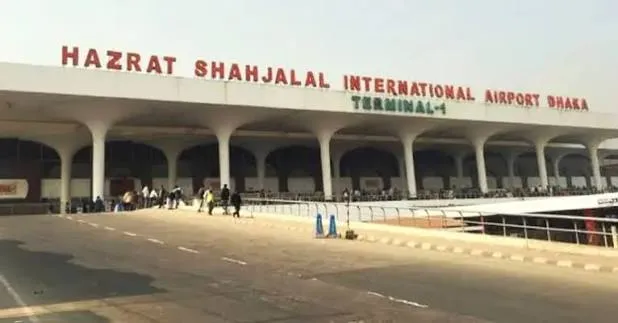
The cost and completion timeline for the Hazrat Shahjalal International Airport Expansion (Phase 1) project—centered on the construction of the Third Terminal—have been revised upward for the third time, with an additional allocation of BDT 848 crore pushing total project expenditure to BDT 22,213 crore. Alongside the budget increase, the execution period has been extended by one year through June next year.
The revised project parameters were approved on Tuesday (September 29) during an Executive Committee of the National Economic Council (ECNEC) meeting held at the Secretariat in Dhaka, presided over by ECNEC Chairperson and Prime Minister Tarique Rahman. The meeting approved a total of 13 development projects while returning three others for restructuring.
Originally launched in 2016 with an estimated cost of BDT 13,610 crore and a scheduled completion deadline of June 2022, the mega-infrastructure undertaking experienced repeated extensions and cost overruns. In its second revision, the budget climbed to BDT 21,365.52 crore. Under the newly sanctioned third revision, costs climbed by an additional BDT 847.58 crore to BDT 22,213 crore. Financing arrangements include BDT 5,116 crore from the government exchequer, with the remaining BDT 17,097 crore financed via concessional loans from the Japan International Cooperation Agency (JICA). The Civil Aviation Authority of Bangladesh (CAAB) is the implementing agency.
Briefing reporters at the NEC Conference Room of the Planning Commission, State Minister for Planning Zonayed Abdur Rahim Saki stated that the Prime Minister directed authorities to curb uncoordinated time and cost escalations. The government has resolved to hold officials accountable for past feasibility assessment lapses while drafting a comprehensive policy guideline to enforce rigorous feasibility evaluations across future public projects.