The government is planning to install solar panels at around 300 primary schools in extremely remote areas of Rangamati to provide them with electricity and help ensure a better learning environment.
There are currently 389 primary schools without electricity across the district’s 10 upazilas, with nearly 300 of them located in areas that are particularly difficult to access. Officials believe reliable electricity supply at these schools would create better opportunities for quality education.
Officials of the Renewable Energy Wing of the Ministry of Power, Energy and Mineral Resources told BSS that the government is considering installing solar panels at the electricity-less primary schools in remote parts of Rangamati. The proposal to install solar panels at primary schools was raised by the Rangamati Deputy Commissioner at this year’s Deputy Commissioners’ Conference, and the Power Division has agreed to work on the issue.
Officials concerned said the initiative is being considered as a long-term plan to be implemented over the next five years. However, the district administration must first prepare a list of the schools and submit it to the Power Division.
After the proposal receives approval from the Cabinet Division, the government will assess the financial feasibility of the projects before proceeding with implementation. The district administration will have the primary responsibility for supervising the work at the field level. The proposed projects have not yet been included in the Development Project Proposal (DPP).
Officials from the district administration and the Power Division said electricity would allow students at the schools to attend multimedia classes and access digital information and technology. Most families of students studying at these remote institutions live below the poverty line. Providing electricity would help students in these areas keep pace with those studying at more advanced schools elsewhere in the country.
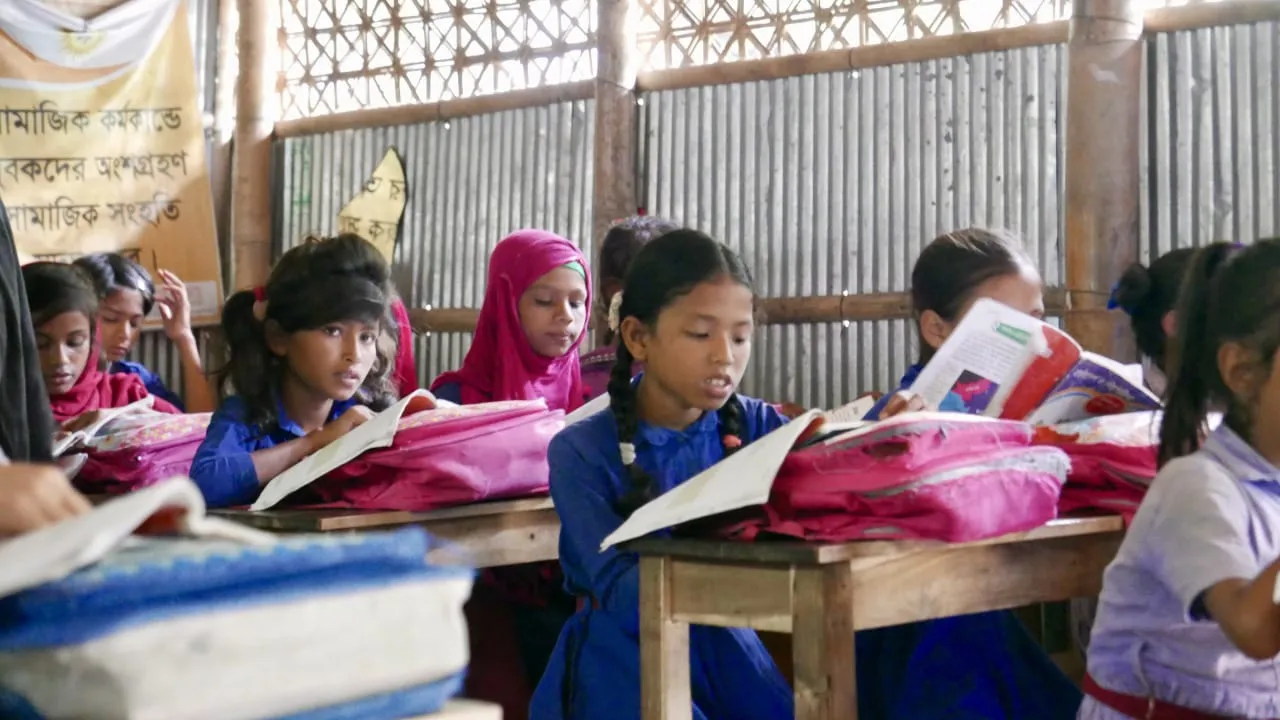
According to data from the Ministry of Chittagong Hill Tracts Affairs, 550 schools across Bandarban, Khagrachhari and Rangamati currently have television and multimedia facilities, while 149 schools are connected to e-learning programmes.
Mohammad Mizanur Rahman, secretary of the Ministry of Chittagong Hill Tracts Affairs, told BSS that the government is working to ensure full electricity coverage across the Chittagong Hill Tracts.
He said a proposal for a third-phase project to supply electricity through solar panels in remote hilly areas has been included in the Annual Development Programme (ADP) as an unapproved or unfunded project. Such newly proposed projects are referred to as “green sheet projects”. They represent an initial policy-level list of potential projects that may later be included in the main implementation programme or DPP if approved.
He said if the project is included in the DPP, implementation would begin as a five-year programme. The project is proposed to start in 2026 and conclude in 2031.
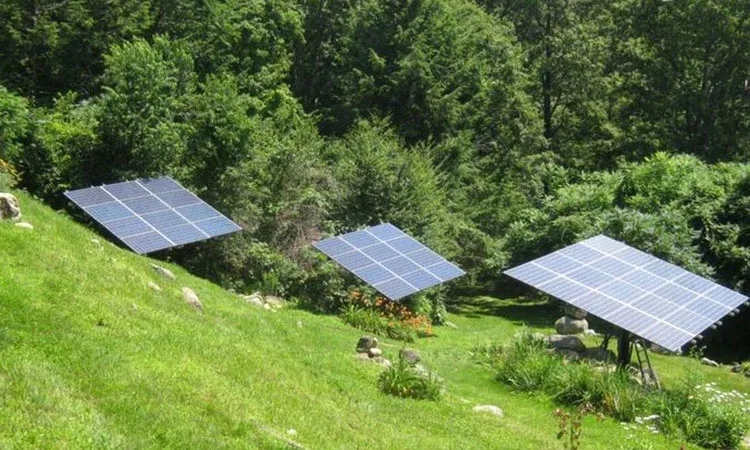
Officials of the Ministry of Chittagong Hill Tracts Affairs said the lack of uninterrupted electricity in remote areas of the three hill districts is hindering efforts to create quality learning environments and is also affecting agricultural production. At the same time, the region is lagging behind in contributing to broader socio-economic development. They said this situation has created a need to consider launching new projects.
The proposal to install solar panels at 300 primary schools in remote hilly areas of Rangamati was raised during the Deputy Commissioners’ Conference in May this year under issues related to the Power Division.
Following an assessment of its feasibility, the Cabinet Division sent letters to the relevant ministries seeking their views on whether the proposed project could realistically be implemented. The Power Division, in its response on the progress of the initiative, expressed support for installing solar panels through a long-term project.