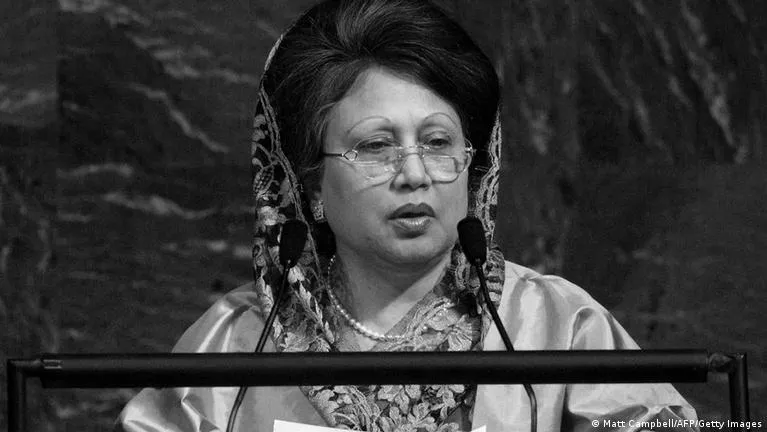
In the political history of Bangladesh, Begum Khaleda Zia remains an unforgettable icon—an unwavering voice for the restoration of multi-party democracy and the struggle against autocratic regimes. Following the tragic assassination of President Ziaur Rahman in 1981, she transitioned from a homemaker into active politics during a profound crisis for both the nation and the Bangladesh Nationalist Party (BNP). Joining BNP in 1982, she became its Vice-Chairman in 1983 and was elected Chairperson in August 1984.
Throughout the nine-year military rule of Hussain Muhammad Ershad, Begum Zia led street movements, including the 7-party alliance, facing multiple house arrests and police crackdowns while refusing to compromise on democratic principles. Her steadfast refusal to participate in engineered elections earned her the historic reputation of the "Uncompromising Leader" (Apohin Netri). Following the mass uprising that toppled the autocracy on December 6, 1990, she led BNP to victory in the free general elections of February 27, 1991, becoming the first female Prime Minister of Bangladesh and the second in the Muslim world. Under her leadership, the parliament amended the constitution to transition Bangladesh from a presidential system back to parliamentary democracy.
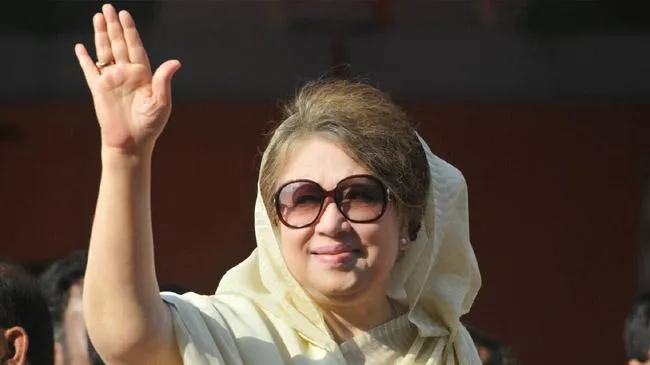
Her first tenure was marked by market-oriented economic reforms, record budget allocations for education, and policies making primary education compulsory and advancing female literacy. Over her four-decade career, Begum Zia served as Prime Minister for three terms and as Leader of the Opposition from 1996 to 2001. During the 1/11 military-backed caretaker government, despite immense pressure and the exile of her sons, she firmly refused exile, affirming that Bangladesh remained her only home.
During the subsequent 15-year rule of the Awami League, she faced severe state persecution, eviction from her residence, and prolonged imprisonment—actions widely criticized by domestic and international human rights organizations as politically motivated. Following the July Mass Uprising that ousted the autocratic regime on August 5, 2024, the political landscape shifted. Begum Khaleda Zia passed away on December 30, 2025, after a prolonged illness, drawing historic crowds to her funeral. In the 13th National Parliamentary Election held on February 12, 2026, the BNP secured an absolute majority, with her eldest son, Tarique Rahman, now leading the nation as Prime Minister.