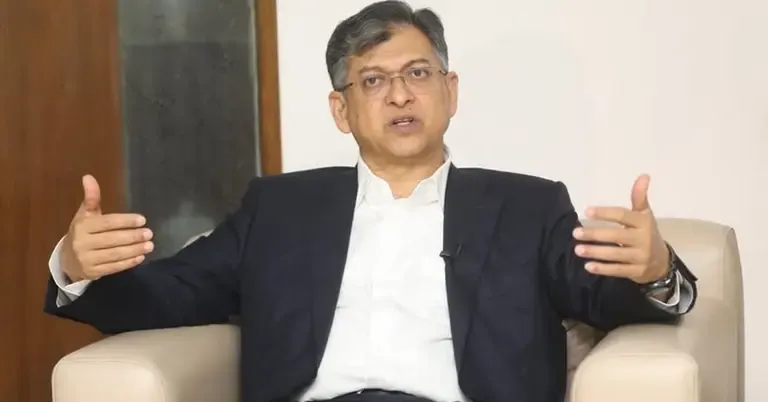
Home Minister Salahuddin Ahmed has unequivocally affirmed that Bangladesh has witnessed no incidents of state-sponsored enforced disappearances, extrajudicial detentions, or politically motivated persecution over the past six months since the current administration assumed office.
Addressing a commemorative assembly organized by victim advocacy network 'Mayer Daak' at the National Museum Auditorium in Shahbagh on Saturday to mark the International Day of the Victims of Enforced Disappearances, the minister addressed recent allegations regarding missing individual Miraj Sheikh from Mongla, Bagerhat. He noted that comprehensive administrative inquiries pointed to internal feuds and direct links with regional forest bandit syndicates rather than state involvement. Elaborating on the landmark legislative measures enacted to eradicate past systemic abuses, Home Minister Salahuddin Ahmed stated:
"Merely setting up investigative commissions is insufficient to permanently resolve the deep-rooted crisis of enforced disappearances. To guarantee that every aggrieved family possesses direct access to judicial remedies, statutory redress, and mandatory state reparations, the Enforced Disappearance Prevention and Redress Act 2026 has been established. The legislation explicitly defines the offense, standardizes rigorous investigative protocols, and institutes capital punishment as the maximum statutory penalty. Crucially, it creates clear legal mechanisms to safeguard inheritance and property rights for the families of the missing."
The home minister further highlighted that the draft statute was formulated in close collaboration with domestic legal experts, United Nations human rights representatives, and international diplomatic partners, reiterating the government's openness to incorporating constructive legislative revisions if required.
The discussion also featured critical observations from human rights advocates and legal scholars. Former Commission of Inquiry member Nur Khan Liton contested the state's narrative on the Mongla incident, placing on record witness testimonies and digital evidence that suggested security agency involvement, and demanded investigative autonomy free from regular policing bodies. Lawmaker Mir Ahmad Bin Quasem Arman voiced strong reservations over Sections 14, 19, and 21 of the newly tabled draft law, arguing that these provisions could undermine investigative impartiality. Prominent jurist Sara Hossain and lawmaker Hummam Quader Chowdhury, alongside tearful family members of past victims, underscored the urgent moral imperative of institutional transparency, fair compensation, and relentless efforts to trace all missing citizens.