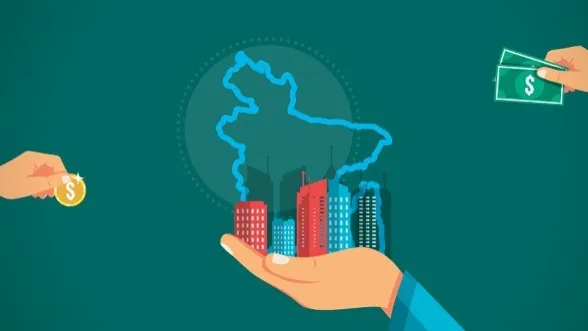
Bangladesh’s economy is grappling with intensifying pressure from multiple fronts including the Middle East conflict and a volatile energy market which experts warn could destabilise macroeconomic stability.
Dr. M. Masrur Reaz, chairman of think-tank Policy Exchange Bangladesh, told UNB that recent geopolitical tensions have sparked fresh concerns over energy security, threatening to disrupt power generation, industrial output, and the agricultural sector.
A former World Bank economist, Dr. Reaz said the combination of internal structural weaknesses and external shocks poses a significant challenge for the government.
“Middle East conflict and energy volatility, the escalating military activity involving the US, Israel, and Iran has sent ripples through the international energy market. Analysts fear that a prolonged conflict will lead to severe supply chain disruptions,” he added.
Crucially, uncertainty of free vessel movement in the ‘Strait of Hormuz’ and Qatar Energy has reportedly declared "Force Majeure" on several long-term Liquefied Natural Gas (LNG) supply contracts due to production setbacks.
This development threatens gas supplies to major economies like South Korea, China, and parts of Europe, potentially driving up global oil and gas prices. For an import-dependent nation like Bangladesh, this translates into higher transport costs and immediate inflationary pressure on essential goods, said economic analysts Dr. Reaz.
Domestic supply concerns amidst global volatility, domestic fuel supply has come under scrutiny. Despite reports of long queues at petrol pumps and claims of shortages from pump owners, the government maintains that stocks are sufficient, he pointed out.
Minister for Power, Energy and Mineral Resources, Iqbal Hasan Mahmud Tuku, attributed the pressure to "panic buying." He urged citizens to avoid unnecessary hoarding, assuring that supply would remain steady if demand followed normal patterns.
Economists warn that fuel shortages will hit every sector of the economy.
Gas-dependent sectors such as RMG, textiles, cement, and fertilizer face production cuts, which could shrink export earnings and deplete foreign exchange reserves.
Scarcity of diesel and octane threatens irrigation and mechanized farming, raising fears of reduced food production.