Counterfeit and adulterated products are increasingly dominating the market across the country. At present, around 40 percent of the domestic market is believed to be occupied by fake and substandard goods. From food items, baby food and cosmetics to all categories of consumer products, this “poison” has spread widely, posing a serious threat to public health.
The government is losing substantial revenue as counterfeit goods are being sold under the names of legitimate companies. It is estimated that around Tk31.70 billion in revenue is being lost to the state exchequer, while legitimate businesses are suffering a decline in sales worth Tk136.80 billion. In addition, diseases linked to such products are said to be reducing GDP by around 2 percent.
Consumers and stakeholders in the sector have called for strict action against those responsible.
According to sources at the National Board of Revenue (NBR), revenue shortfall during the first eight months (July–February) of the 2025–26 fiscal year has reached Tk714.72 billion. By the end of the fiscal year, the deficit could exceed Tk1 trillion. The government has incurred such losses largely due to its inability to prevent the rising trend of untaxed and informal market transactions across various sectors. As a result, development expenditure, subsidies and allocations for poverty alleviation programmes are being constrained.
At the same time, legitimate companies that pay significant taxes are losing competitiveness due to the expansion of illegal trade, leading to the rise of black market operators. The presence of counterfeit goods alongside genuine products has made it increasingly difficult for consumers to distinguish between authentic and fake items, placing legitimate companies under pressure and further widening the revenue gap.
According to the Bangladesh Cosmetics and Toiletries Importers Association, nearly 40 percent of the local market is now controlled by counterfeit and adulterated products. Almost no sector remains untouched—medicines, food and beverages, spices, dairy products, cigarettes, cosmetics, fake revenue stamps and more are being replicated.
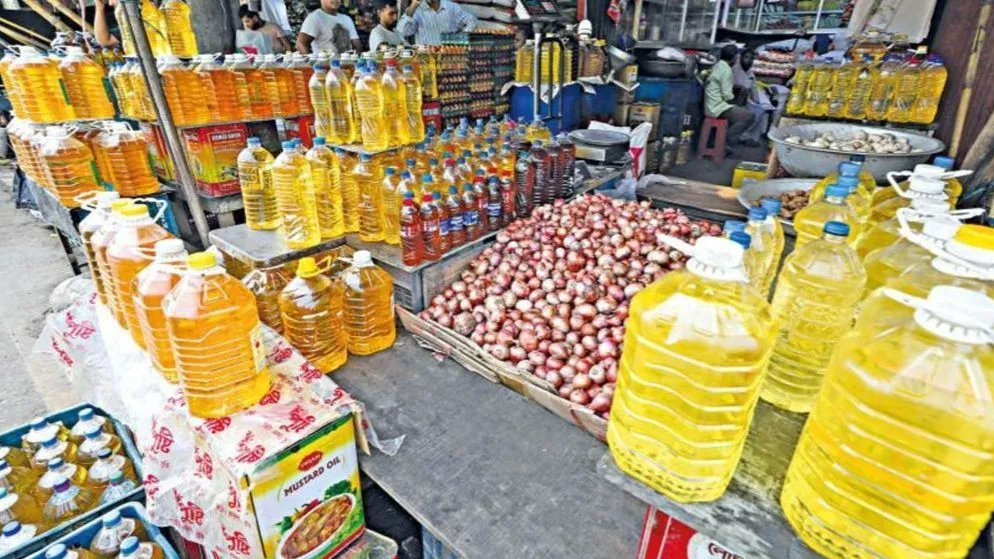
The most commonly adulterated items include milk, oil, honey, coffee, tea, sauces, chocolate, bottled water, soft drinks and baby food. Unscrupulous traders often slightly alter the names and packaging of well-known brands to market fake products. Industry sources say the growth of this trade is driven by simple production methods, lower prices, weak regulatory enforcement and infrastructural limitations.
According to various studies, including those by the Bangladesh Bureau of Statistics (BBS), 80–90 percent of households regularly consume milk, tea, coffee and baby food. Millions of children depend entirely on infant formula. The widespread adulteration of such essential products poses a serious public health risk. Contaminated raw materials and harmful chemicals can lead to malnutrition, diarrhoea, infections and kidney complications in children, while adults face increased risks of liver and digestive diseases. In addition, counterfeiters closely replicate trademarks, packaging and colours of legitimate brands, making it extremely difficult for consumers to identify authentic products.