Inflationary pressure in the country has intensified further due to the increase in fuel prices. Electricity tariffs were raised again last Wednesday, making it even more difficult for ordinary people to manage their household expenses.
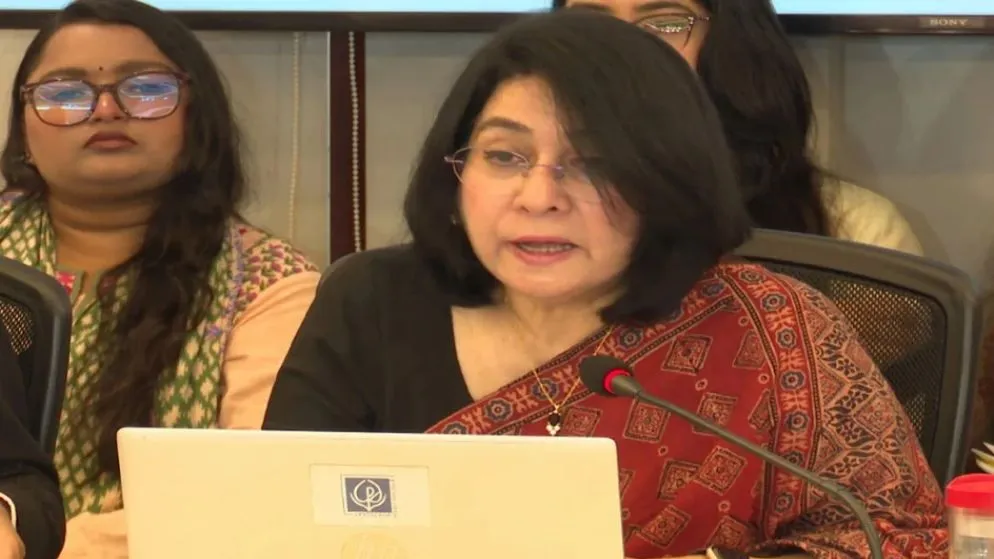
The observations were made on Thursday at a press conference titled “Bangladesh Economy in FY2025-26: Multidimensional Challenges in a Transitional Period”, organised by the private research organisation the Centre for Policy Dialogue (CPD). The event was held at the organisation’s office in Dhanmondi, Dhaka, and was attended by CPD Distinguished Fellow Dr Mustafizur Rahman, Executive Director Dr Fahmida Khatun and other senior officials.
At the press conference, CPD presented an overview of the country’s economic situation in the outgoing fiscal year ahead of the national budget for FY2026-27.
Speaking at the event, CPD Executive Director Dr Fahmida Khatun said Bangladesh’s economy is currently facing multidimensional challenges. Due to structural weaknesses within the country and various global shocks, the economy remains in a vulnerable state. One of the major challenges, she noted, is persistently high inflation.
Dr Fahmida said that although overall inflation is officially reported at 9 per cent, fuel inflation stands at nearly 15 per cent. The high inflation has largely been driven by rising costs in the fuel, transport and services sectors. Meanwhile, wage growth has lagged behind inflation, significantly reducing the purchasing power of ordinary people, particularly those on fixed and limited incomes.
CPD also identified weak market management of essential commodities as another major cause of inflation. Referring to findings from a recent survey, the organisation said retail prices increase by 70 to 110 per cent due to the multiple layers of middlemen in the supply chain.
On the issue, Dr Fahmida said, “Our food inflation is mainly supply-driven rather than demand-driven. Therefore, ensuring a stable supply is the most important factor. Strategic reserves must be increased and market monitoring strengthened. The number of intermediaries in the supply chain should be reduced to narrow the price gap between farmers and retailers. At the same time, low-income people must be protected.”
She added that the recent increase in fuel oil prices caused by the energy crisis in the Middle East may create a major short-term shock to inflation and could also slow or even contract the country’s economic growth over a prolonged period.
Regarding the increase in electricity tariffs, CPD Senior Research Associate Helen Mashiat said some adjustment in power prices was necessary in light of global market conditions. However, she stressed that any increase should remain strictly aligned with international market trends.
CPD noted that remittance inflows have shown strong growth in recent months, the balance of payments situation has improved and foreign exchange reserves have increased. However, the export sector remains under pressure, while demand for both domestic and foreign investment is weak. In addition, the steadily rising burden of foreign debt repayments is creating further strain on the economy.
Despite the rise in remittances, Dr Fahmida advised policymakers to identify the underlying reasons behind the frequent fluctuations in inflows. She also stressed the importance of ensuring that export-oriented activities are not disrupted in any way and called for greater encouragement of domestic value addition.
Dr Fahmida further said, “Ensuring labour rights has now become extremely important internationally as well. In particular, we are receiving negative signals on this issue from the US market. Therefore, emphasis must be placed on timely payment of wages, factory safety and recognition of trade unions. If necessary, conditions related to ensuring labour rights should be attached to allocations from the Tk60,000 crore stimulus fund.”